
The COVID-19 pandemic confined many Brits to their homes, with lockdowns and social isolation measures becoming the norm. It was a recipe for boredom, but for those seeking a healthy distraction, mobile gaming platforms proved to be a lifeline. These convenient and engaging platforms offered social connections and a much-needed respite from the monotony of isolation.
Monetisation Models: Which One Should You Choose?
Mobile game developers have had to get creative when it comes to making money from their games. Two of the most popular monetisation strategies are the free-to-play model and in-app purchases – each with its own set of advantages and disadvantages.
Free-to-Play Model
The free-to-play model, popularised by games like Clash of Clans and Candy Crush, lets users download and play games without paying a dime upfront. But be warned: the real money-making opportunities lie in microtransactions, where players can buy in-game items or currency with real cash. This model is ideal for players who don’t want to commit to a one-time purchase or enjoy the freedom to play without any initial financial burden.
In-App Purchases
In-app purchases work on a different principle: users pay a one-time fee to purchase a game or access premium features. Pokémon Go is a prime example of this monetisation strategy – users pay a fee to access exclusive Pokémon or extended gameplay sessions. This model appeals to players who enjoy the game thoroughly and are willing to pay for a seamless gaming experience.
Bridge to Online Escapism: Lucki Offers Support
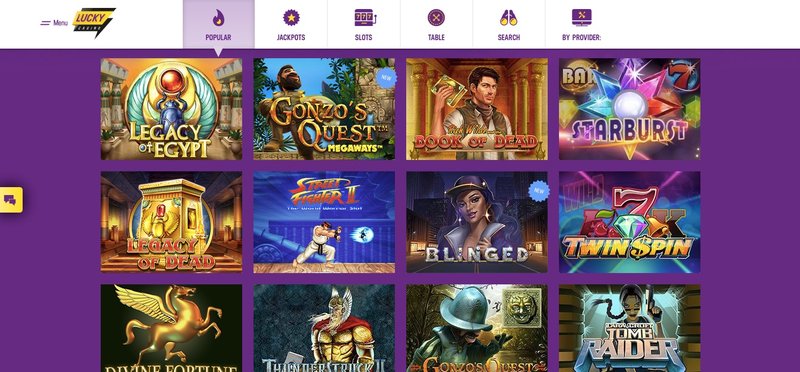
As mobile gaming rose in popularity, many Brits turned to online gaming platforms like casinos for a break from reality. The allure of virtual slot machines and live dealer games became a tempting escape, especially for those seeking thrills and social interaction. Players can try their luck on various games at Lucki, where the excitement of a spinning wheel meets the comfort of playing from home.
User Demographics: Who’s Playing on Mobile?
Mobile gaming isn’t just for the young; data shows that both young and old are embracing these platforms. According to a survey, 62% of mobile gamers in the UK are between the ages of 18 and 44, while 21% are aged 45 or older. This diverse demographic range suggests that mobile games can cater to a broad audience, offering something for everyone.
It’s worth noting, however, that mobile gaming comes with its own set of risks – excessive screen time and in-game purchases can have a negative impact on players, especially children. Parents and guardians should keep a close eye on their children’s gaming habits to prevent overexposure to these issues.
Conclusion
The free-to-play model and in-app purchases are both viable monetisation options for mobile games, catering to different player preferences and needs. When choosing between these two approaches, consider the type of game you’re developing, your target audience, and the overall gaming experience you want to provide. With careful consideration, you can create a mobile game that attracts and retains players, ultimately driving your business forward.
Frequently Asked Questions
What impact did the COVID-19 pandemic have on mobile gaming?
The pandemic led to a significant surge in mobile gaming adoption as people sought social connections and entertainment during lockdowns.
How do mobile gaming platforms offer social connections?
Mobile gaming platforms facilitate social connections through multiplayer features, chat functionality, and live events that bring players together.